Guide
How to find a great stick
Where good sticks hide, how to tell sound wood from rot, and the etiquette of taking one home.
By the Stick League team ·
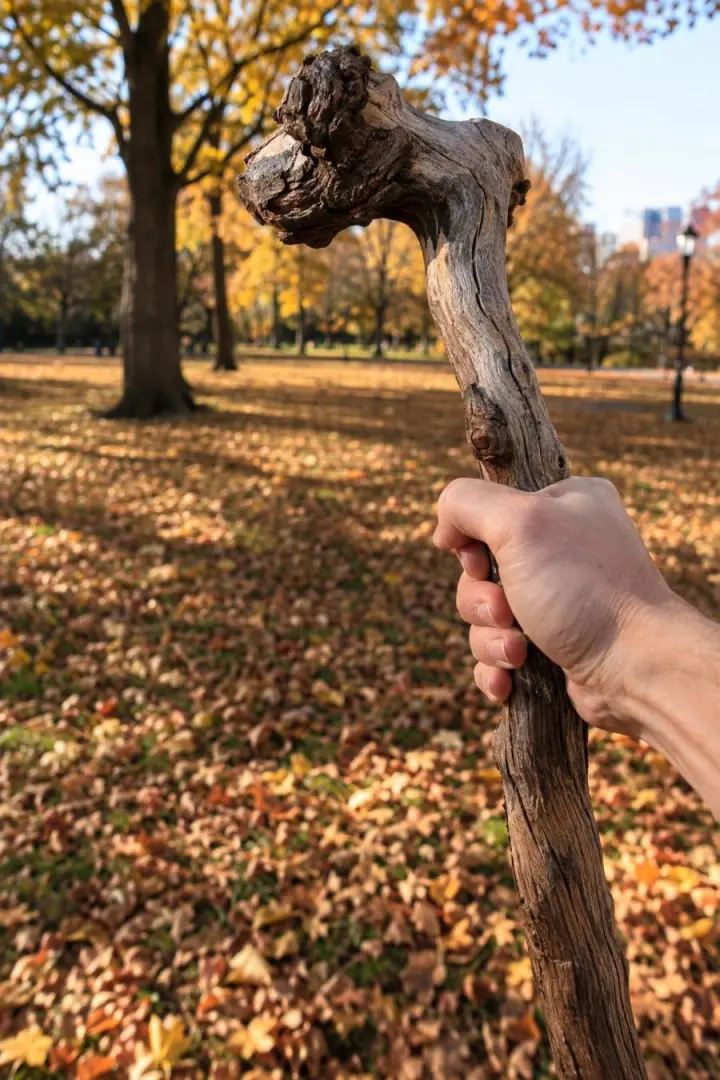
Most sticks are fine. A few are great. The difference is rarely luck alone: it is knowing where to look, what to look for, and when to leave one where it is.
Where to look
- After wind. Storms bring down fresh deadwood from the canopy, including long straight limbs you would never reach otherwise. The days after a windy night are prime time.
- Woodland edges and paths. Edges get more light, so trees branch more and grow more interesting shapes. Path maintenance also leaves trimmed lengths at the side.
- Hedgerows and coppiced woods. Hazel and sweet chestnut are often cut back on a cycle, which produces long, straight, even rods: the classic walking-stick blank.
- Beaches, rivers and lake shores. Water strips bark, rounds ends and bleaches wood to a pale silver. Driftwood is where the strange, smooth, sculptural shapes live.
- Under old trees. Mature oaks, beeches and pines shed twisted, knotted pieces with real character.
What makes a stick great
Judges, human or otherwise, tend to reward the same things:
- A clear shape. A fork that looks like a slingshot, a knot that looks like a hammer head, a curve that looks like a snake. If you can name it in three words, it is a good sign.
- Character in the surface. Moss, lichen, burls, spiral grain, peeling bark, contrasting colour.
- Proportion. Very short twigs and enormous logs are hard to love. Something you can hold and wave is the sweet spot.
- Soundness. A stick that bends a little and springs back is alive or freshly fallen. One that crumbles, feels light and spongy, or sounds dull when tapped is already turning back into soil.
How to photograph it
If you are going to have it rated, give it a fair chance. Hold it against a plain background such as sky, sand or grass, fill the frame with the stick, and shoot in daylight. Show the whole thing, ends included. A hand in shot is fine and helps with scale.
Collect responsibly
- Only take fallen wood. Never snap or cut branches from living trees unless it is your land or you have permission.
- Check the rules. Many protected areas, including US national parks and many nature reserves, do not allow you to remove natural materials. Photograph it instead and leave it.
- Leave plenty behind. Deadwood is food and shelter for fungi, beetles and other wildlife. Take one good stick, not an armful.
- Watch your hands. Check for thorns, insects and anything living inside. Avoid wood wrapped in climbing vines you cannot identify: poison ivy and poison oak oils can stay on dead vines.
If you find a stick with a particular shape, check this week's hunts. The judges might be looking for exactly that.
Questions
What is the best time of year to find sticks?
Autumn and winter. Leaves are down so shapes are easier to see, storms bring fresh deadwood down, and traditional stickmakers cut hazel and chestnut in winter when growth has stopped.
Is it legal to take sticks from a park?
It depends on the park. Many protected areas, including US national parks, prohibit removing natural materials. In ordinary parks and woods, taking a single fallen stick is usually tolerated, but check local rules and never cut living trees.